Apple TV 4K 3rd Gen Review: 9.0/10 - The Most Powerful Streamer
We may earn a commission from links on this page Learn more
At no additional cost to you. As an Amazon Associate we earn from qualifying purchases; we also participate in the eBay Partner Network (EPN). See our full disclosure.
The Apple TV 4K 3rd Gen earns a 9.0 out of 10, delivering the best overall streaming experience available.
cord-cutters who want the responsive user interface and app support of the Apple TV 4K 3rd Gen
your smart TV's integrated operating system already runs all your preferred streaming channels as well as the Apple TV 4K 3rd Gen
Prices last checked July 19, 2026
Overview
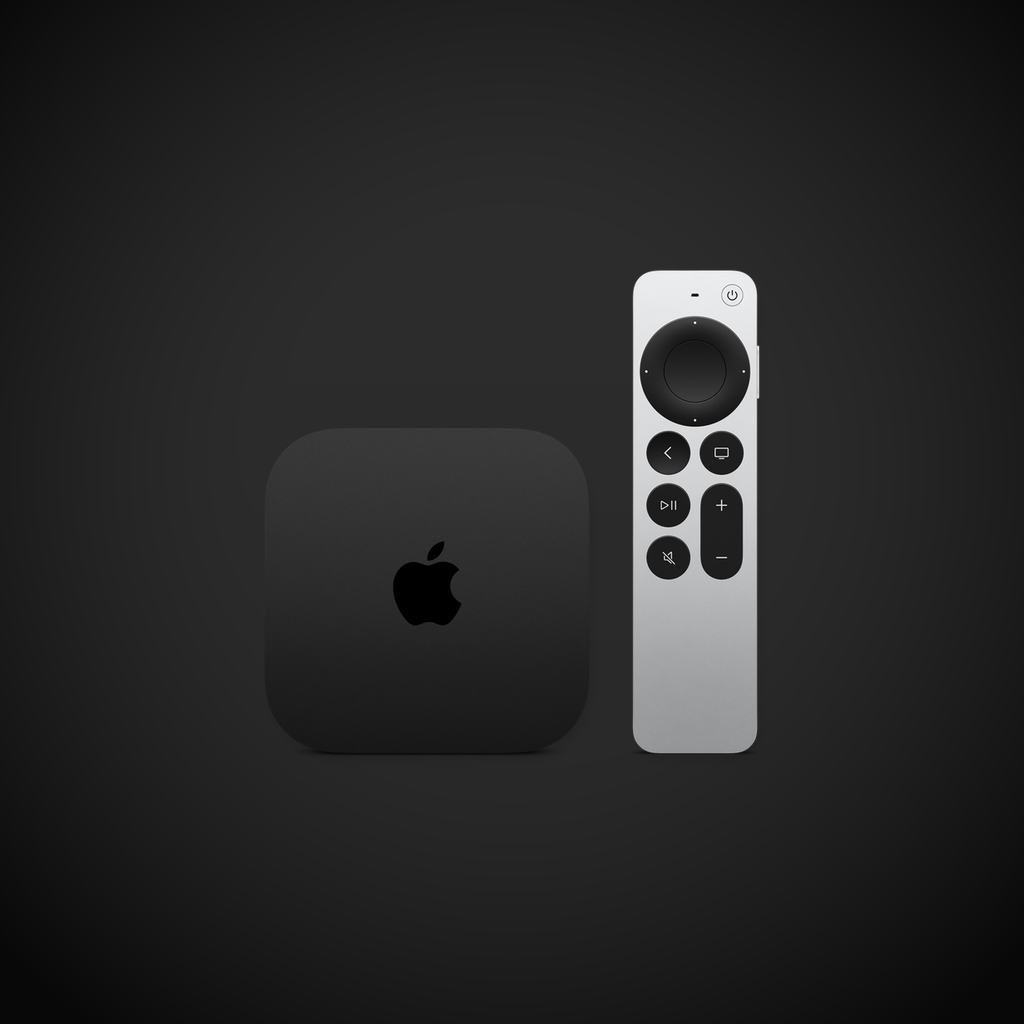
The Apple TV 4K 3rd generation, released in November 2022, is Apple’s most capable streaming box, powered by the same A15 Bionic chip found in the iPhone 13. Starting at $129 for the 64 GB Wi-Fi model, it delivers buttery-smooth 4K HDR streaming with support for Dolby Vision, HDR10+, and Dolby Atmos. The redesigned Siri Remote now charges over USB-C, and Thread and Matter support position it as a smart home hub for HomeKit accessories.
Performance
The A15 Bionic chip with a 5-core GPU makes the Apple TV 4K the most powerful streaming box on the market, resulting in instant app launches, silky-smooth 60 fps UI navigation, and no buffering even when scrubbing through 4K HDR content. The HDMI 2.1 port supports 4K at 60 fps with Dolby Vision and QMS (Quick Media Switching) that eliminates the blank screen when switching between different frame rate and HDR formats. Gaming performance via Apple Arcade is genuinely impressive, with titles like Resident Evil Village running well through the A15’s GPU.
Video and Audio Quality
The Apple TV 4K supports every major HDR format including Dolby Vision, HDR10, HDR10+, and HLG, making it the most format-compatible streamer available. The A15’s video decoder handles high-bitrate content effortlessly, and the color accuracy is reference-grade with proper chroma sampling. Dolby Atmos, Dolby Digital 5.1, and Dolby Digital Plus passthrough deliver immersive audio when connected to compatible sound systems through HDMI eARC.
Siri Remote
The third-generation Siri Remote replaces the Lightning port with USB-C and retains the clickpad with touch surface, mute button, and dedicated power button for TV and volume controls. The clickpad is more responsive than the previous generation with improved gesture recognition, and the ring-shaped navigation is intuitive for scrubbing through content. Siri integration works well for searching across multiple streaming services, controlling smart home devices, and launching specific shows with voice commands.
tvOS and Ecosystem
tvOS remains the most polished streaming platform, offering a unified Up Next queue that aggregates content from every installed streaming service into a single watchlist. The TV app curates recommendations across your subscriptions, and the Screensaver library of 4K HDR aerial footage is genuinely beautiful. The App Store offers more games and utility apps than competing platforms, though some streaming services like Amazon Prime Video have historically received updates later on tvOS than on Roku.
Smart Home Hub
The Apple TV 4K functions as a Thread border router and HomeKit hub, enabling remote access to smart home accessories, automation routines, and secure video streaming from HomeKit cameras. The Matter smart home standard support ensures compatibility with accessories from any manufacturer regardless of platform. This dual functionality makes the Apple TV 4K the best choice for users already invested in the Apple ecosystem.
Pros
- A15 Bionic chip delivers exceptional streaming and gaming performance
- Supports every major HDR format: Dolby Vision, HDR10, HDR10+, and HLG
- Redesigned Siri Remote with USB-C charging and improved clickpad
- tvOS is the most polished and thoughtfully designed streaming platform
- Functions as a Thread border router and HomeKit smart home hub
- Ad-free interface with gorgeous 4K HDR aerial screensavers
Cons
- Expensive at $129 compared to streaming sticks with similar features
- No Dolby Atmos support via HDMI input passthrough
- Some streaming services receive updates later than on Roku
- Gaming library limited to Apple Arcade titles
- No 4K 120 Hz support despite HDMI 2.1 port
Verdict
The Apple TV 4K 3rd Gen earns a 9.0 out of 10, delivering the best overall streaming experience available. The A15 Bionic chip provides exceptional performance, the format support is comprehensive with HDR10+ joining Dolby Vision, and tvOS remains the most polished and thoughtfully designed streaming platform. The high price relative to streaming sticks and the lack of Dolby Atmos support via the HDMI input passthrough keep it from a perfect score, but for Apple users and quality-focused streamers, it is the definitive choice.
Sources
Technical Specifications
How We Scored This Product
Every product on ComfyTechCheck is scored on a 1 to 10 scale across four criteria. Each criterion is weighted differently depending on the product category to reflect what matters most to real buyers.
- Performance & Capabilities 40% Speed, accuracy, quality of output in its category.
- Build & Design Quality 30% Materials, construction quality, durability, form factor.
- Consumer Value 20% Price-to-performance ratio relative to direct competitors.
- User Experience 10% Ease of setup, daily usability, comfort, ergonomics.
Scores are assigned by our editorial team after hands-on testing or extensive research using verified user reports, expert analysis, and technical specifications. For the full weight breakdown by category, visit our How We Rate page.