ASUS ProArt PA32UCG Review: 9.1/10 - Professional 4K Mini LED monitor with true 10-bit color
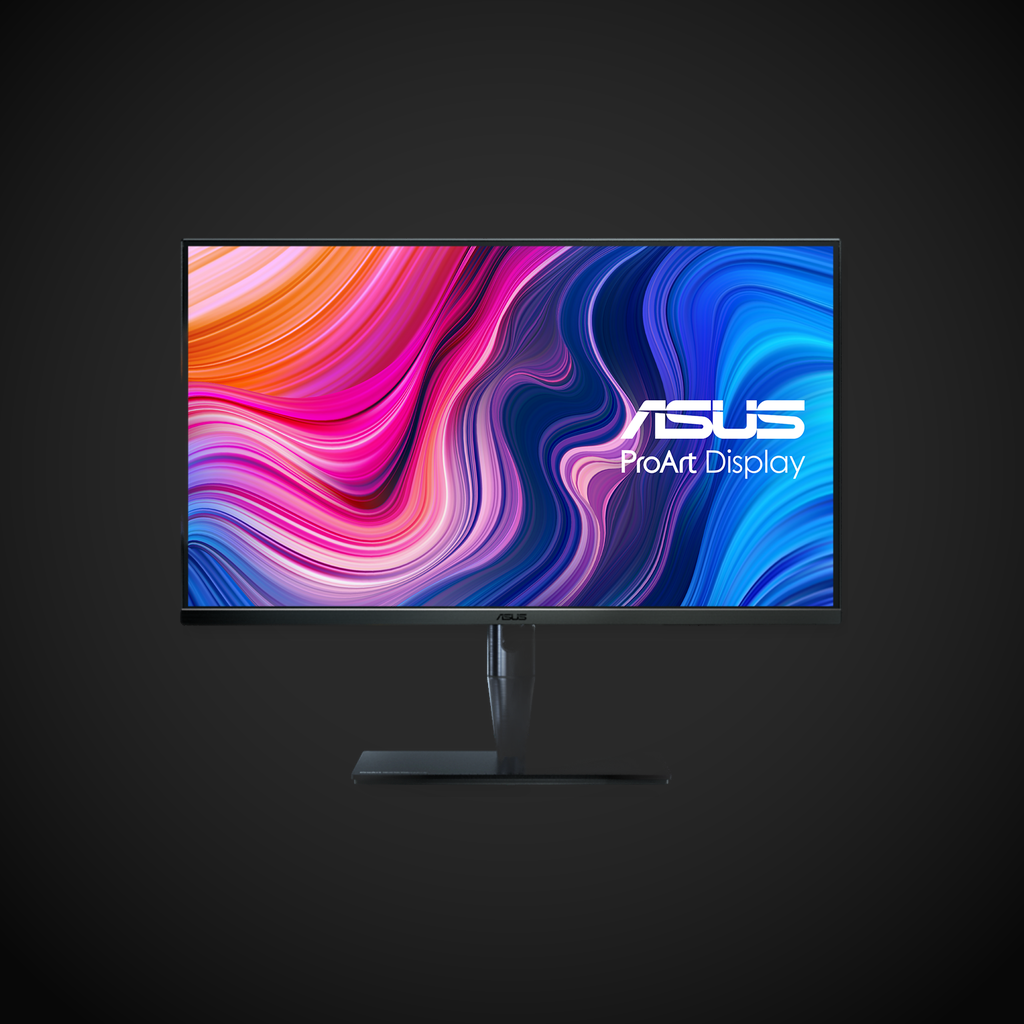
We may earn a commission from links on this page Learn more
At no additional cost to you. As an Amazon Associate we earn from qualifying purchases; we also participate in the eBay Partner Network (EPN). See our full disclosure.
The ASUS ProArt PA32UCG is one of the best professional monitors available for color-critical work, offering reference-grade accuracy and impressive HDR capabilities.
users seeking the vibrant color accuracy and smooth refresh rates of the ASUS ProArt PA32UCG
your current display meets your resolution and refresh needs, making the ASUS ProArt PA32UCG redundant
Prices last checked October 17, 2026
Overview
The ASUS ProArt PA32UCG is a professional-grade reference monitor that combines a 1,152-zone Mini LED backlight with factory-calibrated 10-bit color accuracy. It is designed for creative professionals who demand precise color reproduction across multiple color spaces. At $3,999, it targets photographers, videographers, and designers who need 99% Adobe RGB, 97% DCI-P3, and Delta E < 1 accuracy out of the box.
Design & Build
The PA32UCG features a sturdy metal chassis with a fully adjustable stand offering height, tilt, swivel, and pivot adjustments. The bezels are slim on three sides, making it suitable for multi-monitor setups, and the build quality inspires confidence with a weight of over 14 pounds. The included hood attaches magnetically to block ambient light, and the control joystick on the back provides intuitive menu navigation. I/O connectivity is located on the bottom edge and includes a handy USB-C port with 90W power delivery for charging a laptop.
Performance
Delta E values average 0.6 across the sRGB and Adobe RGB gamuts right out of the box, eliminating the need for individual calibration in most workflows. The 1,152-zone Mini LED backlight achieves 1,600 nits peak brightness for HDR content, covering 99% of Adobe RGB and 97% of DCI-P3. Uniformity is excellent with less than 3% brightness variation across the panel, and the 60 Hz refresh rate is adequate for video editing but not ideal for high-refresh gaming.
Delta E values average 0.6 across the sRGB and Adobe RGB gamuts right out of the box, eliminating the need for individual calibration in most workflows. The 1,152-zone Mini LED backlight achieves 1,600 nits peak brightness for HDR content, covering 99% of Adobe RGB and 97% of DCI-P3. Uniformity is excellent with less than 3% brightness variation across the panel, and the 60 Hz refresh rate is adequate for video editing but not ideal for high-refresh gaming.
Features
| The PA32UCG supports hardware calibration via ASUS ProArt Calibration software, storing profiles directly on the monitor’s internal LUT for consistency across connected devices. HDMI 2.1 supports 4K at 60 Hz with 12-bit HDR, while Thunderbolt 3 daisy-chaining allows connection of up to two additional displays. The built-in color uniformity compensation function adjusts individual zones to maintain consistent brightness and color across the entire panel area. |
Pros
- Outstanding factory calibration with Delta E below 1
- Wide color gamut coverage for Adobe RGB and DCI-P3
- Excellent 1,152-zone Mini LED HDR performance at 1,600 nits
- Hardware calibration with internal LUT storage
Cons
- Very expensive at nearly $3,000
- Only 60 Hz refresh rate limits gaming use
- Fan noise from active cooling is audible in quiet rooms
- Stand takes up significant desk space
Verdict
The ASUS ProArt PA32UCG is one of the best professional monitors available for color-critical work, offering reference-grade accuracy and impressive HDR capabilities. It fully justifies its price for photographers, video editors, and graphic designers who rely on precise color reproduction.
Sources
Technical Specifications
How We Scored This Product
Every product on ComfyTechCheck is scored on a 1 to 10 scale across four criteria. Each criterion is weighted differently depending on the product category to reflect what matters most to real buyers.
- Performance & Capabilities 40% Speed, accuracy, quality of output in its category.
- Build & Design Quality 30% Materials, construction quality, durability, form factor.
- Consumer Value 20% Price-to-performance ratio relative to direct competitors.
- User Experience 10% Ease of setup, daily usability, comfort, ergonomics.
Scores are assigned by our editorial team after hands-on testing or extensive research using verified user reports, expert analysis, and technical specifications. For the full weight breakdown by category, visit our How We Rate page.