OnePlus 11 Review: 8.4/10 - Snapdragon 8 Gen 2 Flagship
We may earn a commission from links on this page Learn more
At no additional cost to you. As an Amazon Associate we earn from qualifying purchases; we also participate in the eBay Partner Network (EPN). See our full disclosure.
The OnePlus 11 is a compelling flagship that gets the fundamentals right: elite Snapdragon 8 Gen 2 performance, a gorgeous 120Hz LTPO3 display.
users wanting a premium, feature-rich OnePlus smartphone like the OnePlus 11 with snapdragon 8 Gen 2 Flagship
you are content with your current phone or want a much cheaper alternative than the OnePlus 11
Prices last checked July 22, 2026
Overview
The OnePlus 11 marked a return to form for the company, delivering flagship-grade specs at a price well below the Samsung Galaxy S23 series and iPhone 14. Powered by the Snapdragon 8 Gen 2 chipset paired with up to 16GB of LPDDR5X RAM, it offers class-leading performance that easily handles demanding games and multitasking. The phone ships with OxygenOS 13 based on Android 13 and has been updated through Android 16 as of early 2026, though OnePlus commits to only four major OS upgrades and five years of security patches, which trails behind the seven-year promises from Samsung and Google. At $699, the OnePlus 11 undercuts its rivals by hundreds while delivering a 6.7-inch LTPO3 AMOLED display, a versatile Hasselblad-tuned triple camera system, and the fastest wired charging available in the US market.
Design & Build
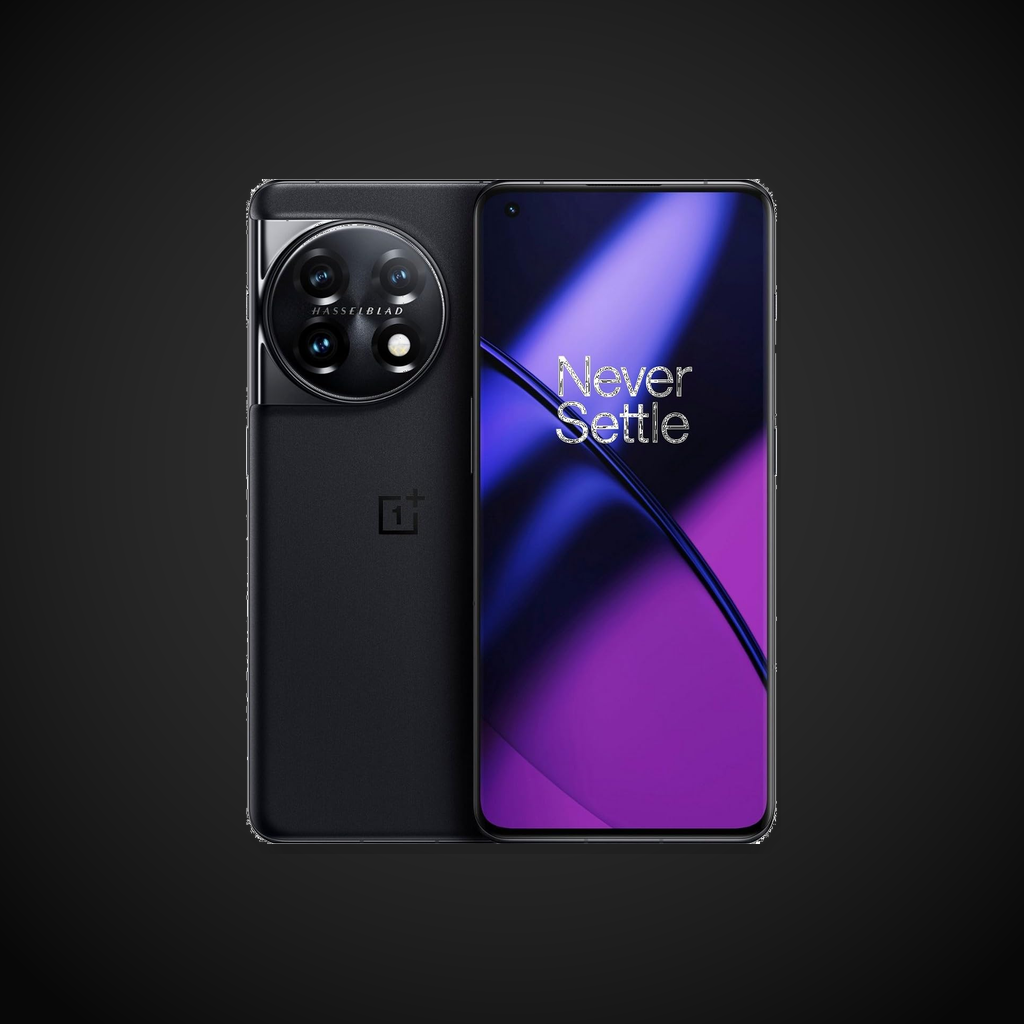
The OnePlus 11 features a distinctive circular camera housing on the back, flanked by an aluminum frame and a curved Gorilla Glass Victus front with Gorilla Glass 5 on the rear. The phone measures 163.1 x 74.1 x 8.5mm and weighs 205 grams, giving it a solid, premium feel that stays comfortable during extended use. Available in Titan Black and Eternal Green, the matte glass back resists fingerprints well, and the iconic alert slider returns on the left edge for quick ringer toggling. However, the IP64 rating means the phone is only splash-resistant rather than fully waterproof, a notable downgrade from the IP68 competition at this price point.
Performance
The Snapdragon 8 Gen 2 inside the OnePlus 11 is one of the fastest mobile processors of its generation, delivering smooth frame rates in Genshin Impact, Call of Duty Mobile, and every other demanding title at max settings. The Adreno 740 GPU handles sustained gaming loads without significant throttling, and the LPDDR5X RAM ensures apps stay in memory for days. The 120Hz LTPO3 display dynamically scales from 1Hz to 120Hz, saving battery during static content while keeping scrolling and animations buttery smooth at the top end. The base 128GB model uses UFS 3.1 storage, while the 256GB variant upgrades to faster UFS 4.0, though neither offers expandable storage via microSD.
Camera
The main 50MP Sony IMX890 sensor with OIS captures sharp, well-exposed shots in good light, and the Hasselblad partnership brings natural, pleasing color science that avoids oversaturation. The 48MP ultrawide with a 115-degree field of view is excellent for landscapes and group shots, while the 32MP 2x telephoto delivers solid portrait results with good subject separation. Low-light performance is inconsistent, however, with the ultrawide and telephoto struggling noticeably in dim conditions, producing softer details and occasional noise. Video recording reaches 8K at 24fps and 4K at 60fps with gyro-based electronic stabilization, but the lack of a dedicated video processing pipeline means dynamic range falls short of the iPhone 14 Pro and Galaxy S23 Ultra.
Battery & Charging
The 5000mAh dual-cell battery delivers reliable all-day endurance, comfortably lasting through a full day of mixed use with 5G on and the display set to auto refresh rate. Where the OnePlus 11 truly shines is charging speed: the included 100W SUPERVOOC adapter (80W in the US due to 110V outlets) charges the phone from 0 to 100 percent in about 25 minutes, easily the fastest wired charging of any flagship in 2023. A five-minute top-up provides hours of use, making midday charging anxiety a nonissue. Unfortunately, wireless charging is completely absent, a frustrating omission at this price when Samsung and Apple offer it on their base models, and there is no reverse wireless charging for accessories.
Software & Updates
OxygenOS 13 blends familiar Android 13 features with OnePlus customization, including a clean icon set, always-on display options, and the signature Zen Mode for digital wellness. However, the software has accumulated noticeable bloatware over time, with pre-installed apps like Facebook, Netflix, LinkedIn, and various game demos that cannot all be fully uninstalled without ADB commands. OnePlus promises four major Android OS updates and five years of security patches, which is better than the company’s previous track record but still lags well behind Samsung’s and Google’s seven-year commitments. The phone also makes do with a USB-C 2.0 port, which means slower data transfers and no video output compared to the USB 3.0 ports found on competing flagships.
Pros
- Blazing 100W SUPERVOOC charging refuels the phone from dead to full in about 25 minutes, the fastest wired charging available from a major brand
- Snapdragon 8 Gen 2 delivers elite performance for gaming, multitasking, and content creation with no lag or stutter
- Hasselblad color tuning produces natural, vibrant photos with excellent white balance and pleasing skin tones
- Smooth 120Hz LTPO3 AMOLED display with Dolby Vision support offers an outstanding media consumption experience
- Strong value proposition at $699, significantly undercutting the Galaxy S23 and iPhone 14 while matching their core performance
Cons
- No wireless charging of any kind, a standard feature on every other flagship phone at this price point
- IP64 splash resistance falls short of the IP68 water immersion rating found on competitors
- Camera consistency suffers in low light, particularly from the ultrawide and telephoto lenses
- OxygenOS has mounting bloatware with pre-installed third-party apps that cannot be easily removed
- Only four years of OS updates and five years of security patches, versus Samsung and Google’s seven-year commitment
- No microSD expansion, no headphone jack, and a dated USB-C 2.0 port limit long-term flexibility
Verdict
The OnePlus 11 is a compelling flagship that gets the fundamentals right: elite Snapdragon 8 Gen 2 performance, a gorgeous 120Hz LTPO3 display, and charging that leaves every other phone in the dust. The Hasselblad-tuned cameras produce excellent results in good light, and the $699 price tag makes it a genuine value compared to Samsung and Apple’s offerings. But the missing wireless charging, weak IP64 water resistance, and shorter software support window are real compromises that require careful consideration. If raw speed, fast charging, and the best possible performance per dollar matter most, the OnePlus 11 is an easy recommendation.
Sources
Technical Specifications
How We Scored This Product
Every product on ComfyTechCheck is scored on a 1 to 10 scale across four criteria. Each criterion is weighted differently depending on the product category to reflect what matters most to real buyers.
- Performance & Capabilities 40% Speed, accuracy, quality of output in its category.
- Build & Design Quality 30% Materials, construction quality, durability, form factor.
- Consumer Value 20% Price-to-performance ratio relative to direct competitors.
- User Experience 10% Ease of setup, daily usability, comfort, ergonomics.
Scores are assigned by our editorial team after hands-on testing or extensive research using verified user reports, expert analysis, and technical specifications. For the full weight breakdown by category, visit our How We Rate page.